Wednesday, April 16, 2025

The Journey of Self-Learning: Unlocking Lifelong Potential


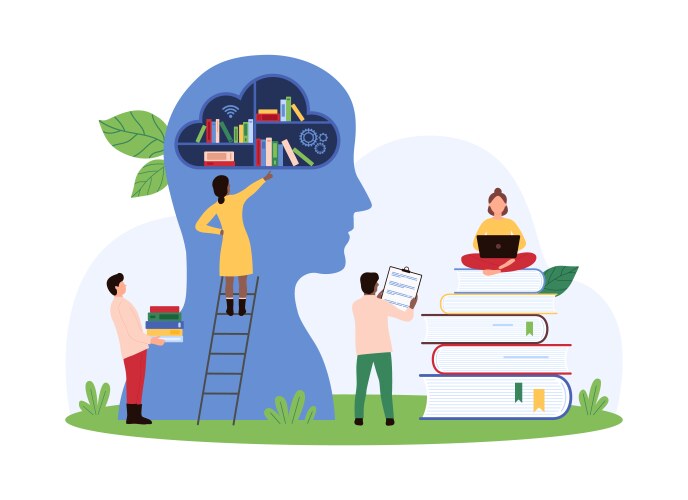
In today’s fast-paced world, success increasingly depends on the ability to learn—often outside of formal classrooms. Self-learning has emerged as a powerful means to adapt to rapid technological changes, sharpen skills, and achieve personal growth. Embracing the journey of self-learning is about unlocking your lifelong potential and taking full control of your education. In this post, we explore the transformative power of self-learning, outline proven strategies for effective independent study, and examine how a self-learning mindset can shape your future.


The Importance of Self-Learning in Modern Life

Breaking Free from Traditional Constraints:
Traditional education provides a solid foundation, but it’s often structured around fixed curricula and schedules. In contrast, self-learning empowers you to pursue knowledge based on personal interests and immediate needs.

  • Flexibility:
    With self-learning, you choose what, when, and how to study. This flexibility is especially critical in a rapidly evolving job market where emerging technologies and new disciplines require constant upskilling.

  • Adaptability:
    In an era defined by change, the ability to learn independently ensures that you remain relevant. Whether it’s mastering a new programming language or staying abreast of industry trends, self-learning keeps you agile and competitive.

  • Empowerment:
    By taking charge of your learning journey, you foster a sense of ownership over your development. This proactive approach builds confidence, fuels creativity, and enables you to solve problems in innovative ways.

Strategies and Tools for Effective Self-Learning


Setting Clear Goals and Planning Your Learning Path:


Establishing clear, achievable goals is the cornerstone of any effective self-learning journey.

  • Define Your Objectives:
    Start by asking yourself what you want to achieve. Whether it’s career advancement, personal enrichment, or acquiring a new hobby, having clear goals helps you select relevant topics and resources.

  • Create a Structured Plan:
    Break your learning objectives into smaller tasks. Create a study schedule, set milestones, and track your progress over time. Planning helps maintain consistency and accountability.

Leveraging Digital Platforms and Resources:
The internet offers a wealth of educational resources—many of them free or low-cost.

  • Online Courses:
    Platforms like Coursera, Udemy, edX, and Khan Academy offer comprehensive courses across diverse subjects. Choose courses with good reviews and certificates if you need to demonstrate your skills.

  • Tutorials and Blogs:
    YouTube, Medium, and industry-specific blogs provide practical tutorials, expert advice, and insights from professionals around the world.

  • eBooks and Podcasts:
    Ebooks, audiobooks, and podcasts are great ways to consume knowledge on the go. Whether you’re commuting or exercising, these formats let you learn without being confined to a desk.

  • Communities and Forums:
    Engage with online communities on Reddit, StackExchange, or specialized forums. Collaborating with others offers support, answers, and alternative perspectives on complex topics.

Hands-On Practice and Real-World Application:
Learning by doing is one of the most effective methods to solidify new concepts.

  • Projects:
    Apply your newly acquired skills to personal projects. Building a website, developing an app, or writing a research paper not only reinforces what you’ve learned but also results in a tangible portfolio to showcase to potential employers.

  • Challenges and Competitions:
    Participate in hackathons, online challenges, or coding competitions. These experiences simulate real-world scenarios, foster problem-solving, and provide valuable feedback.

  • Mentorship:
    If possible, find a mentor or peer group that shares your interests. Engaging in discussions or collaborative projects can help accelerate your learning curve.

The Benefits of a Self-Learning Mindset


Lifelong Growth and Flexibility:


Developing the habit of self-learning transforms how you approach life in general. It instills a growth mindset—a belief that you can continually improve through dedication and effort.

  • Career Advantages:
    Continuous learning enhances your skill set and positions you as an adaptable professional. In a competitive job market, your ability to acquire new skills independently can open doors to exciting opportunities.

  • Personal Development:
    Self-learning expands your horizons, stimulates curiosity, and fosters independence. It encourages you to explore diverse subjects, from technology and science to art and philosophy, enriching your overall life experience.

  • Resilience:
    When you learn how to learn, you become better equipped to navigate setbacks and adapt to change. This resilience is invaluable in both professional and personal spheres.

Overcoming Obstacles on Your Self-Learning Journey


Staying Motivated and Disciplined:


Self-learning requires a high degree of self-discipline. Creating a structured schedule and setting short-term goals can maintain momentum.

  • Break It Down:
    Confronting a massive topic can be overwhelming—break it into bite-sized lessons and celebrate small victories along the way.

  • Accountability Tools:
    Use habit-tracking apps, study groups, or online communities to hold yourself accountable. Sharing your progress publicly can also add an external layer of motivation.

Handling Information Overload:
The abundance of available information can be daunting.

  • Curate Your Sources:
    Choose high-quality, reliable sources for your learning. Filter out distractions and focus on content that aligns with your specific goals.

  • Take Regular Breaks:
    Balance study sessions with breaks to prevent burnout. Techniques like the Pomodoro Technique—working for 25 minutes followed by a 5-minute break—can improve focus and productivity.

Adapting and Evolving:
Your self-learning journey will evolve as your interests and career goals shift.

  • Be Open to Change:
    Embrace flexibility in your study plan. It’s okay to pivot or dive deeper into a new area as your curiosity and industry trends change.

  • Reflect Regularly:
    Regular reflection helps you evaluate your progress, understand what methods are working, and adjust your strategies accordingly.

Conclusion: Embracing a Path of Continuous Learning

 The journey of self-learning is one of lifelong growth and transformation. By taking charge of your education and harnessing the wealth of resources available online, you set yourself on a path to continuous improvement and personal empowerment. Whether you’re looking to advance your career, pursue a passion, or simply challenge yourself, self-learning opens up endless possibilities.

Remember, the ability to learn independently isn’t just a skill—it’s a mindset that redefines your future. Embrace curiosity, celebrate small victories, and remain resilient in the face of challenges. Your journey toward unlocking lifelong potential begins with a single step—and every day is an opportunity to learn something new.

The Journey of Self-Learning: Unlocking Lifelong Potential

  In today’s fast-paced world, success increasingly depends on the ability to learn—often outside of formal classrooms. Self-learning has em...